28.10.2026 by Viktor Siebert
Yaskawa SGDB-60VD-Y109: Fuses fail again after two hours
Yaskawa SGDB-60VD-Y109: Why replacement fuses lasted only two hours
A servo amplifier with no function, blown input fuses and an initially uneventful test run: the first findings on this Yaskawa Servopack SGDB-60VD-Y109 appeared straightforward. After replacing the fuses, the unit operated for approximately two hours. It then suddenly failed again. The input fuses had blown once more. This made it clear that replacing the fuses had not addressed the underlying fault.
An older unit with a surprisingly clean interior
The Servopack was already more than ten years old. Nevertheless, its interior looked clean and almost new. The initial visual inspection revealed no obvious contamination. Its appearance provided no clear indication of which assemblies were causing the recurring failure.
A visual inspection can reveal contamination or visible damage, for example. It cannot replace an investigation of electrical behaviour. A well-kept unit can have an internal fault that only becomes apparent during operation. Conversely, age alone does not establish which particular component has failed.
The role of the Servopack
The Yaskawa Servopack is the electronic drive for the connected servo motor. It converts commands from the higher-level system into controlled motor movement. In the application described here, it operates with a Yaskawa SGMG-30V6W-YG31 AC Servo Motor. This identifies the combination in this case and is not a general replacement approval for other versions.
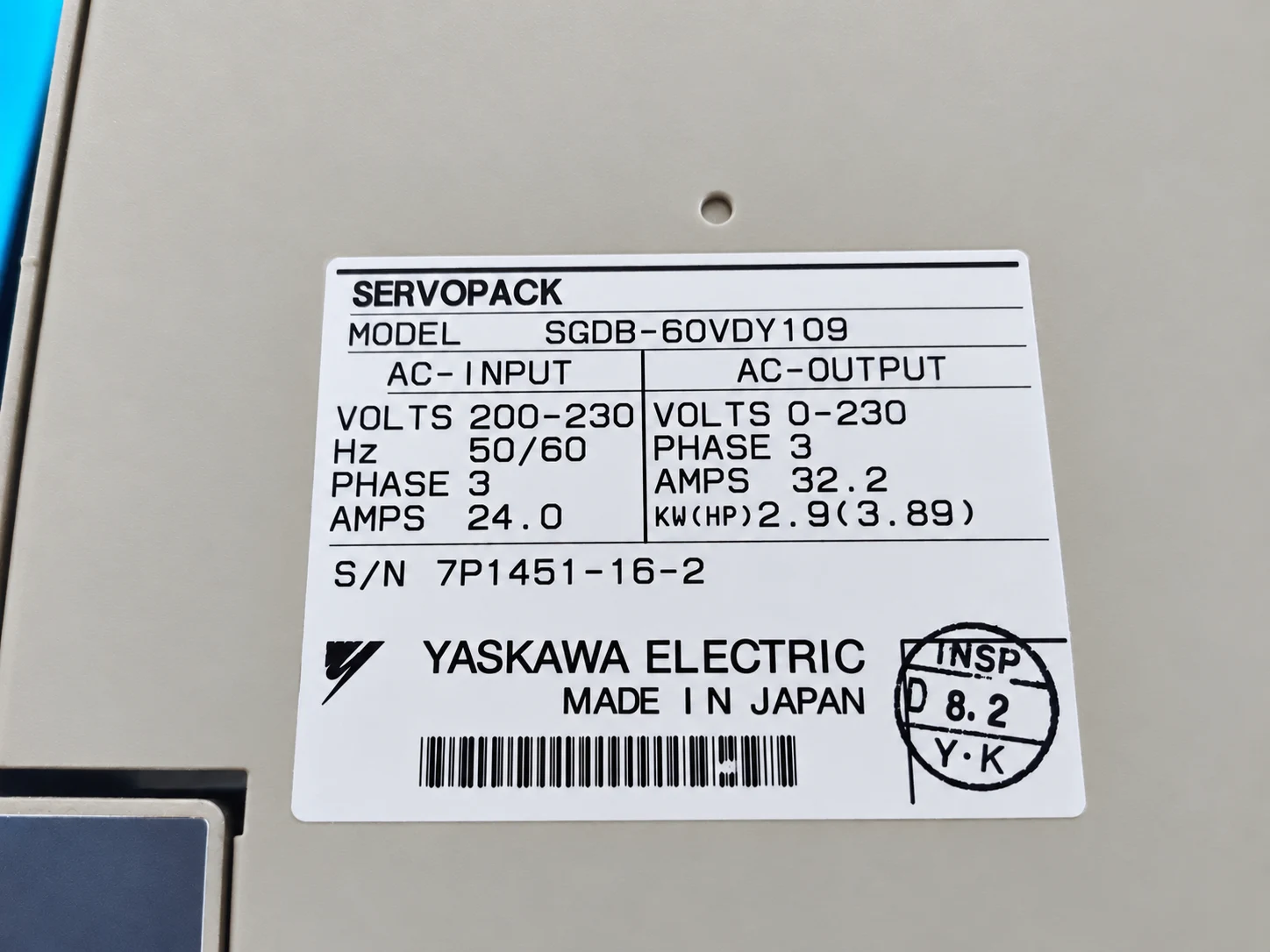
The model shown on the nameplate is SGDB-60VDY109. SGDB-60VD-Y109 is another spelling used for the same unit presented here. Particularly for older or machine-specific versions, the complete designation, including Y109, should be retained. A similar enclosure or model number is not sufficient for selecting a replacement.
The first fuse replacement was not a completed repair
During the incoming inspection, the blown input fuses were the first evident finding. Once they had been replaced, the Servopack ran again. The failure did not recur until approximately two hours later. This timing was crucial to the subsequent investigation: a brief functional test would only have demonstrated that temporary operation was possible.
The recurring failure showed that the investigation had to continue. The fuses were the visible finding, but did not explain why they had blown. It was therefore important to isolate the unit’s assemblies systematically and consider the timing of the fault during testing.
Isolating the fault by substituting circuit boards step by step
To narrow down the cause, we substituted the circuit boards in stages for diagnostic purposes. This allowed us to investigate which assemblies were associated with the fault behaviour. The stepwise comparison was more informative than simply inspecting the clean interior.
The investigation identified the power capacitors and weakened power supply control as the affected areas. This was where the fault was located. It also explained why new fuses alone could not provide a lasting solution: the underlying internal problem was still present.
Board substitution served a diagnostic purpose. It should be distinguished from permanently replacing every board. The overhaul focused on the weaknesses actually identified. A particular temperature threshold or exact electrical triggering sequence cannot be inferred from the observed fuse failure alone.
Preventive overhaul and extended testing
Following fault isolation, the unit received a preventive overhaul and underwent extended testing. This case concerns the investigation and overhaul of the Servopack. No damage to or repair of the connected SGMG-30V6W-YG31 was reported.
The earlier recurrence after approximately two hours demonstrates why observation beyond a brief power-up test matters. The available recording shows part of the test following the overhaul. It does not document the entire test duration. The precise number of hours and final test load values were not provided for this report.
What operators can learn from these symptoms
Repeated fuse failures should prompt a targeted investigation of their cause. The circumstances are useful to the service team: did the failure occur immediately at power-up or after a longer running period? Had the fuses already been replaced? Was there a display indication, or was the unit completely non-functional? Such information helps classify the problem without prejudging the diagnosis.
Even with a clean interior, operating age, previous failures and behaviour during operation should be considered. Ventilation paths, connections and the drive environment belong in regular maintenance. Electrical investigations and work on power electronics require qualified personnel and the documentation applicable to the exact version.
Workshop conclusion
New input fuses were not enough for this Yaskawa SGDB-60VD-Y109. Further diagnosis was needed to isolate the fault to the power capacitors and power supply control. The subsequent preventive overhaul and extended test followed the actual fault history. An almost-new appearance and initially functioning drive do not reliably establish the condition of its electronics.
Price, Lead Time and Further Information
View the Yaskawa SGDB-60VDY109 / SGDB-60VD-Y109 Servopack in our shop
Please request price and lead time for the specific SGDB-60VD-Y109 version using its complete model designation. Further information on our repair services for Yaskawa drives and motors is available in the manufacturer section. The industrypart team can assist with technical assessment, repair and testing.
Technical Specifications
| Item | Information |
|---|
| Manufacturer / device type | Yaskawa / SERVOPACK, servo amplifier |
| Nameplate model | SGDB-60VDY109 |
| Alternative spelling | SGDB-60VD-Y109 |
| AC input | 200 to 230 V, 3 phases, 50/60 Hz, 24.0 A |
| AC output | 0 to 230 V, 3 phases, 32.2 A |
| Power stated on nameplate | 2.9 kW / 3.89 HP |
| Motor in this application | Yaskawa SGMG-30V6W-YG31 AC Servo Motor |
| Unit age | More than ten years; production year not established |
| Dimensions, weight, hardware/software version | Not provided |
Application Environment and Compatible Equipment
The reported combination with SGMG-30V6W-YG31 is established for this case. The customer’s machine and CNC control are not specified. Before replacement, compare the complete drive and motor versions, feedback system, parameters and hardware/software versions.
Functional Description
In general, an AC servo drive includes input power conversion, a DC link and a power output stage supplying the motor. Its controller processes commands and feedback. Internal supply circuits power the electronics. The specific interface pinout and protection logic of the Y109 version must be checked against its own documentation.
Components
Areas established in this case and their general functions. Board identifiers, quantities and individual component values are not documented.
| Assembly | Function | Case relevance |
|---|
| Input fuses | Overcurrent protection | Blown twice; initially replaced |
| Power capacitors | Energy storage and smoothing, depending on circuit position | Identified as an affected area |
| Power supply control | Controls the internal supply | Weakened; identified as an affected area |
| Circuit boards | Electronic Servopack assemblies | Substituted in stages for diagnosis |
Alarm Messages and Troubleshooting
No alarm code was reported for this case. An original table verified for Y109 is unavailable. The following table therefore provides symptoms and general diagnostic approaches instead of unverified alarm numbers. These are not additional claimed workshop procedures.
| Symptom / finding | Classification | Diagnostic approach |
|---|
| No function | Initial fault | Investigate supply and internal supply path |
| Blown input fuses | Finding, not a complete cause | Isolate the reason for the failure |
| Failure recurs after about two hours | Confirmed sequence | Extend testing beyond a brief power-up |
| Almost-new interior | Visual impression | Assess electrical condition independently of appearance |
| Power capacitors / power supply control | Confirmed affected areas | Address within the overhaul |
Diagnostic Notes on the Main Fault
No function, recurring fuse failure and the isolated internal fault areas are confirmed. External supply, wiring or motor can be part of an investigation in similar cases; no such external damage was reported here. A particular overcurrent alarm, temperature threshold or load condition cannot be inferred from blown fuses.
Preventive Measures
| Area | Guidance |
|---|
| Operating behaviour | Record intermittent failures with running time and operating conditions |
| Supply / connections | Have qualified personnel check them using applicable manufacturer instructions |
| Cooling | Regularly inspect ventilation paths and cooling surfaces for obstruction |
| Ageing electronics | Have the electrical condition assessed; visual inspection alone is insufficient |
| Repair | Investigate recurring fuse failures by cause |
Test Recording and Images
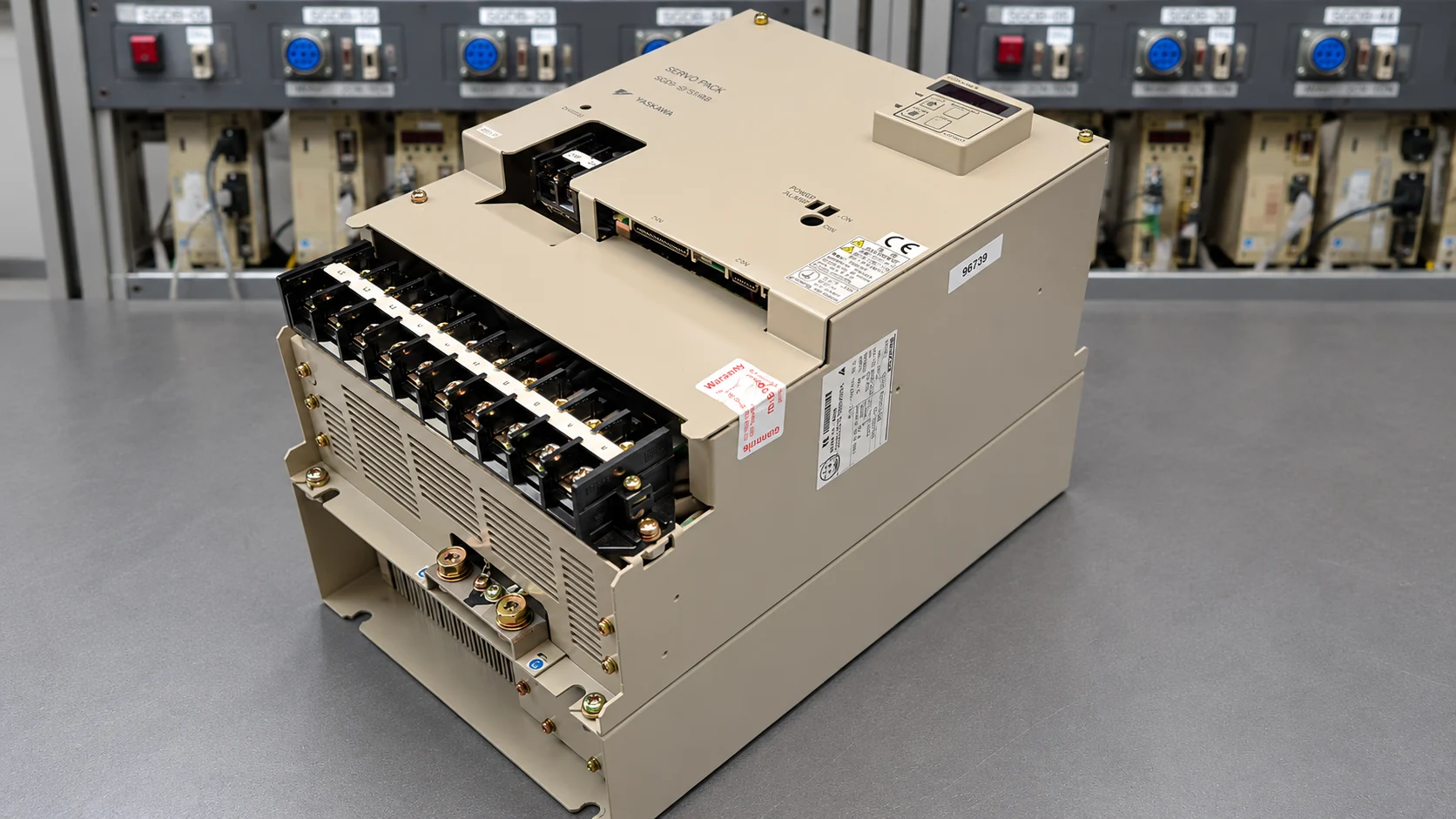 After repair
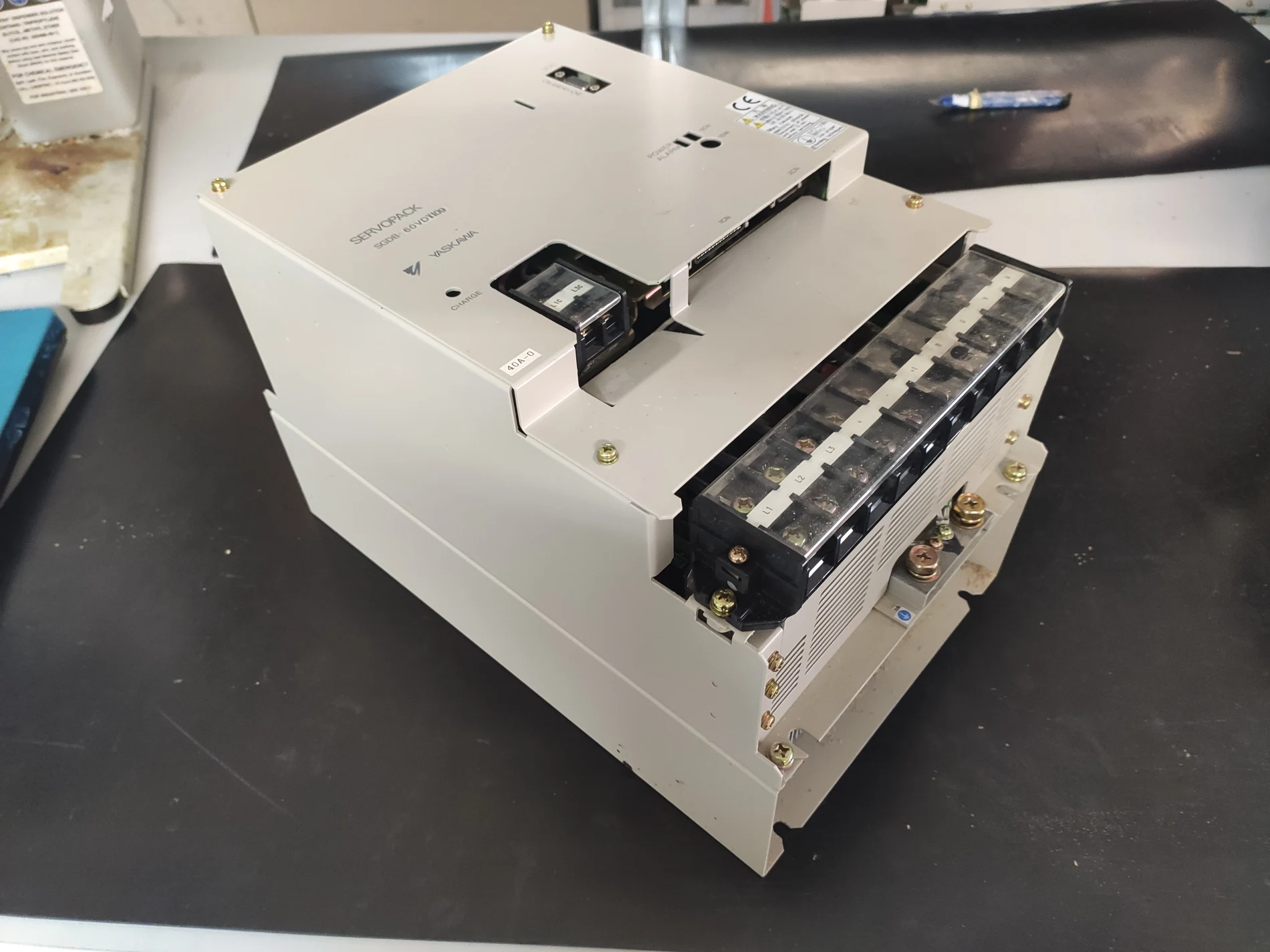 Before repair
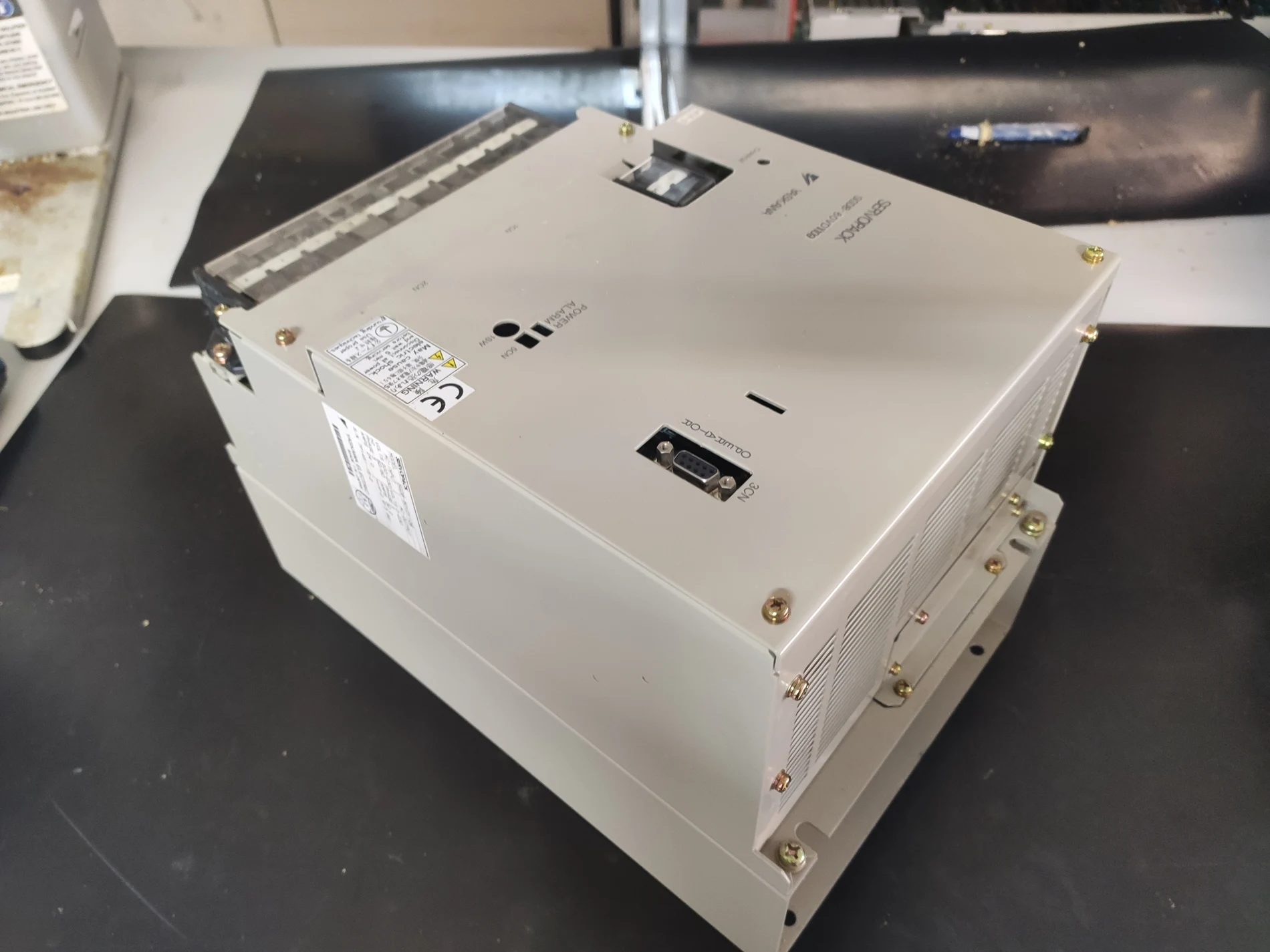 Before repair: view 2
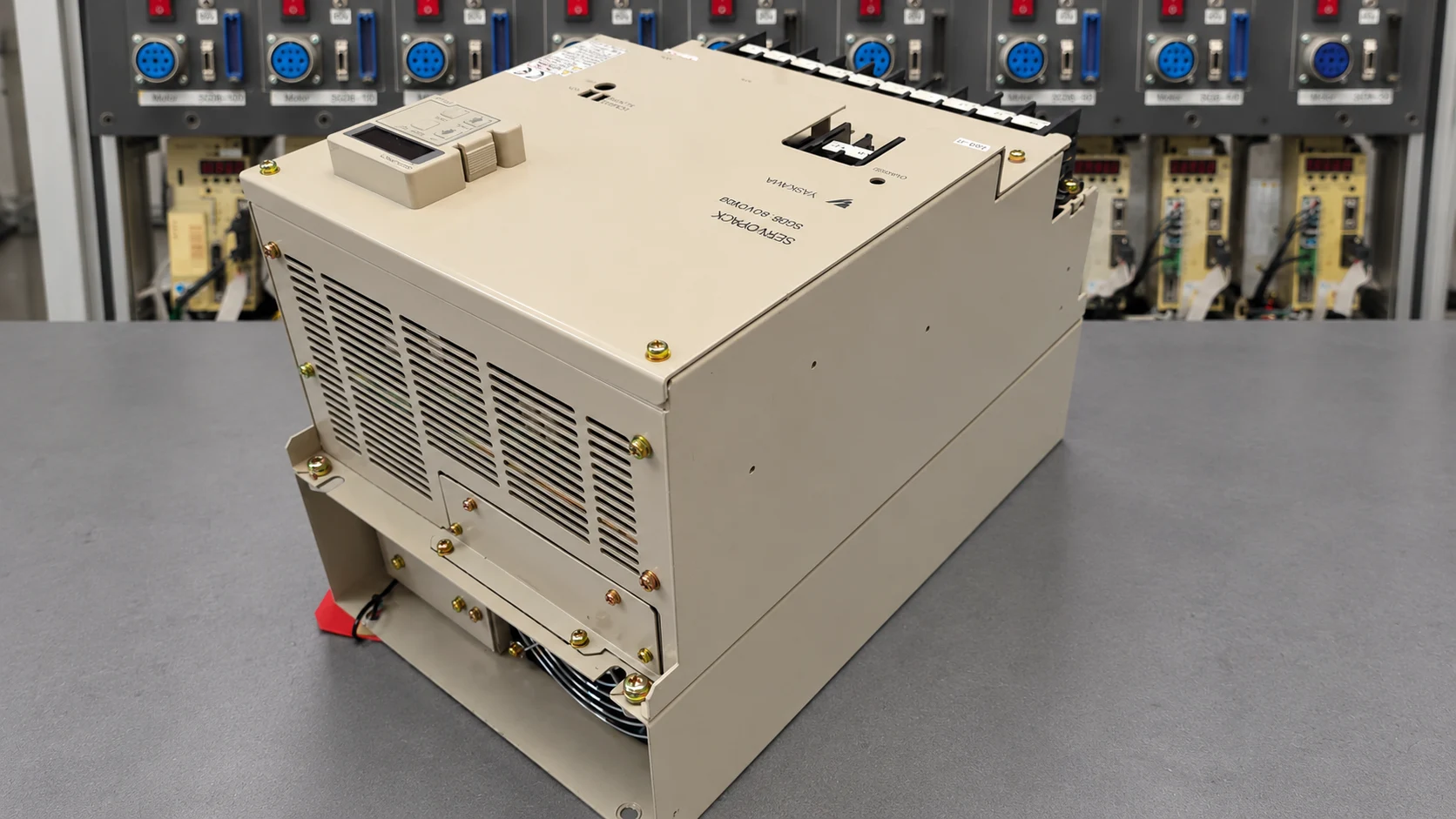 After repair: view 2
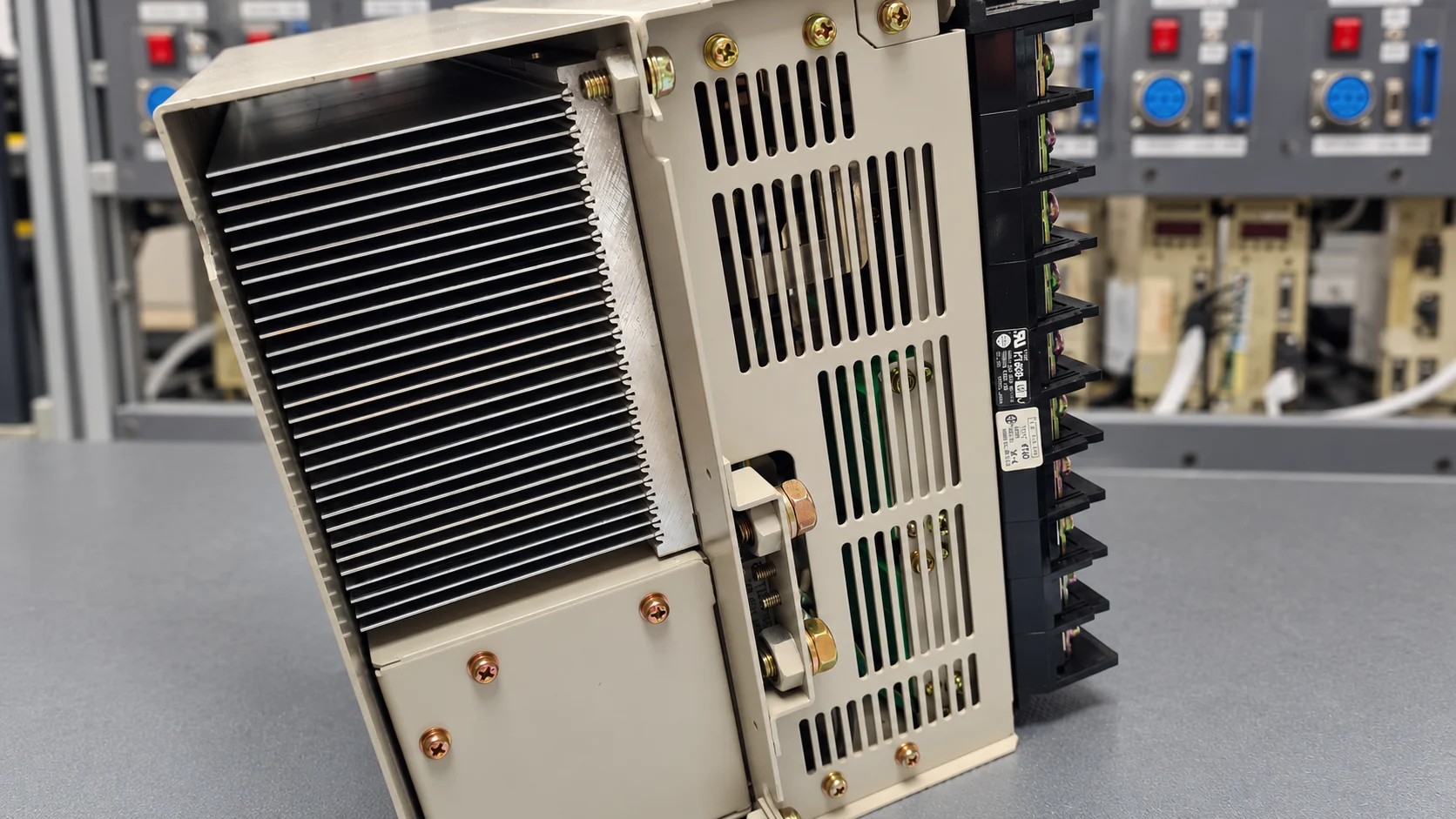 After repair: view 3
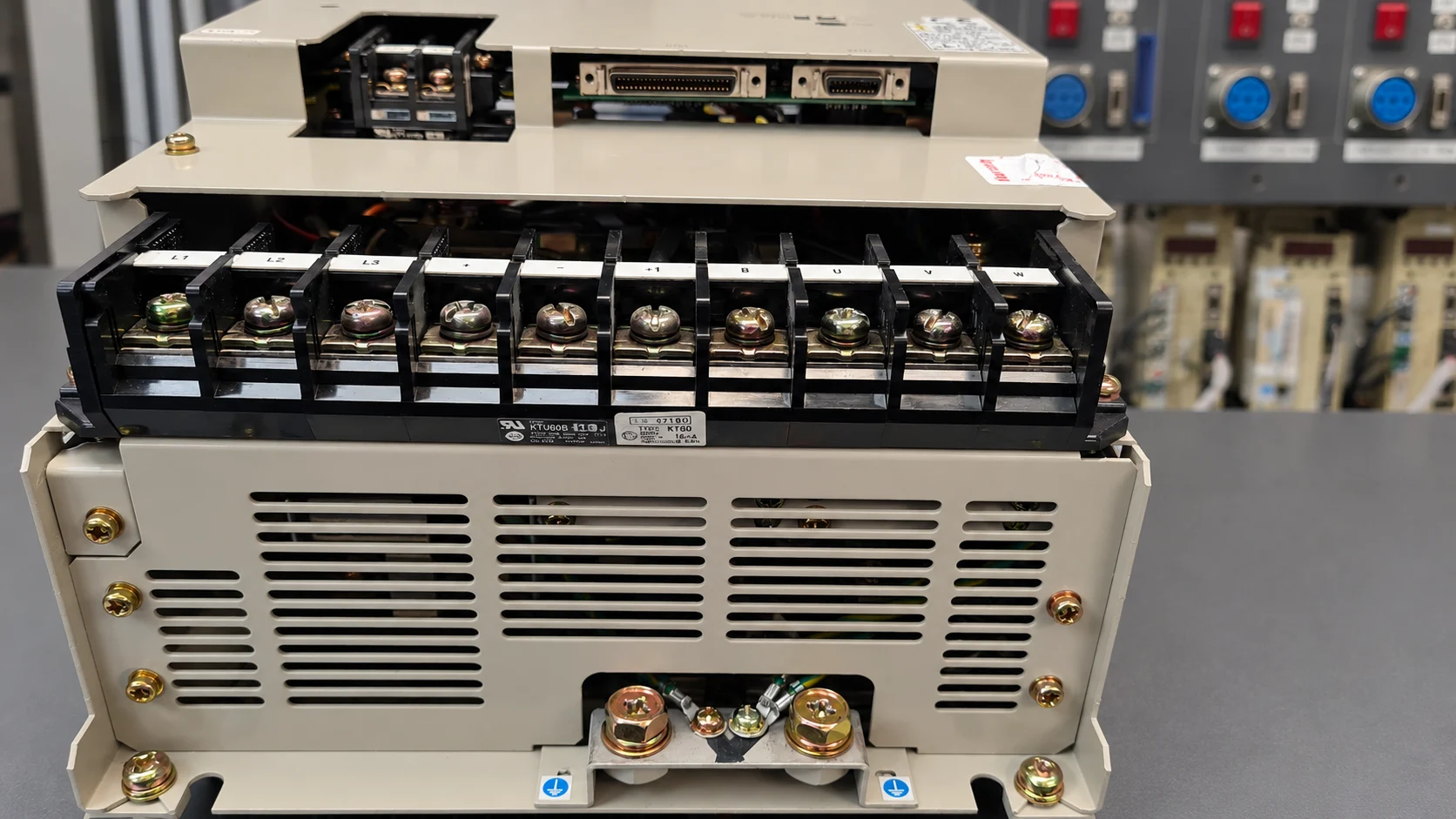 After repair: view 4
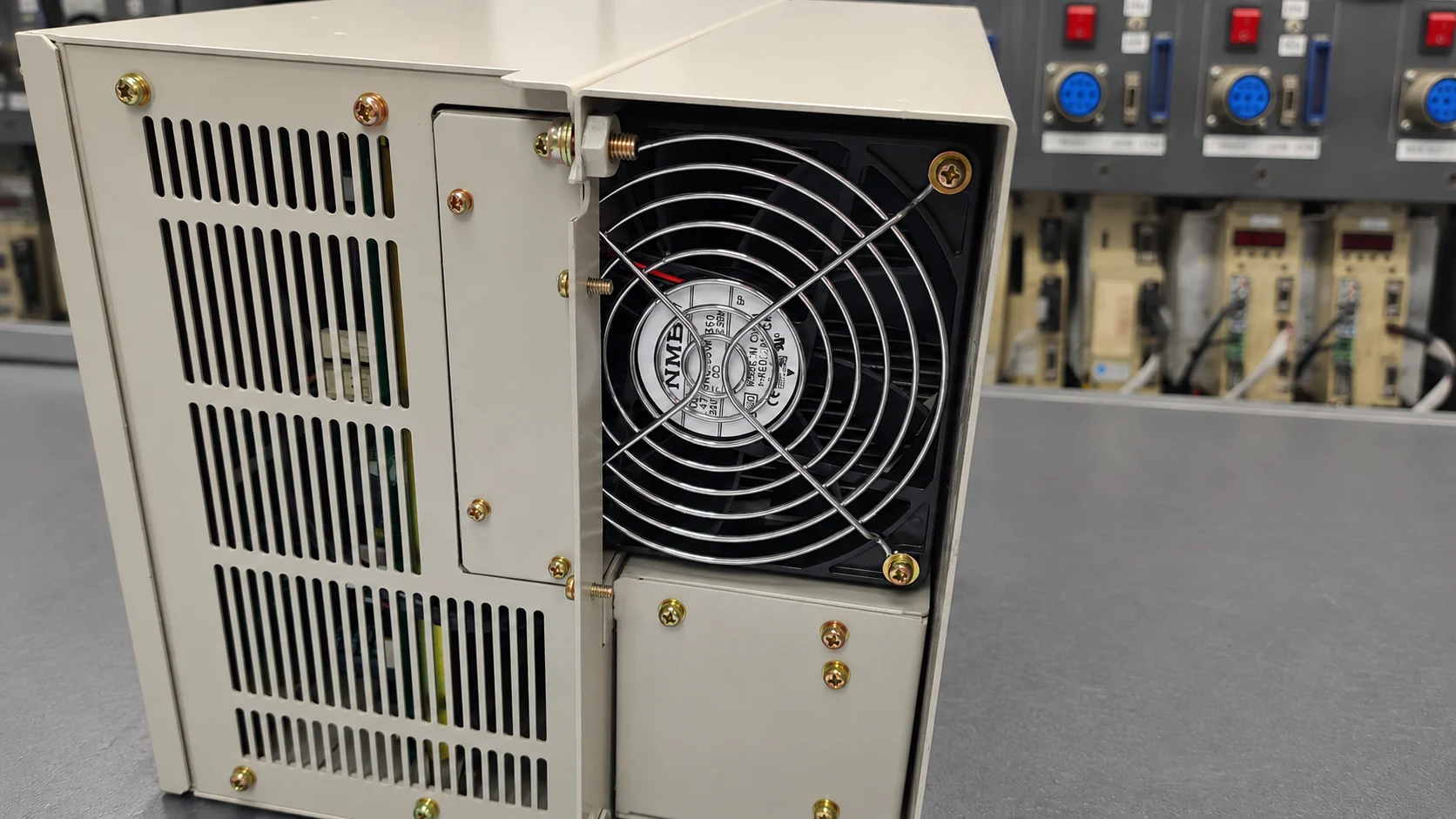 After repair: view 5